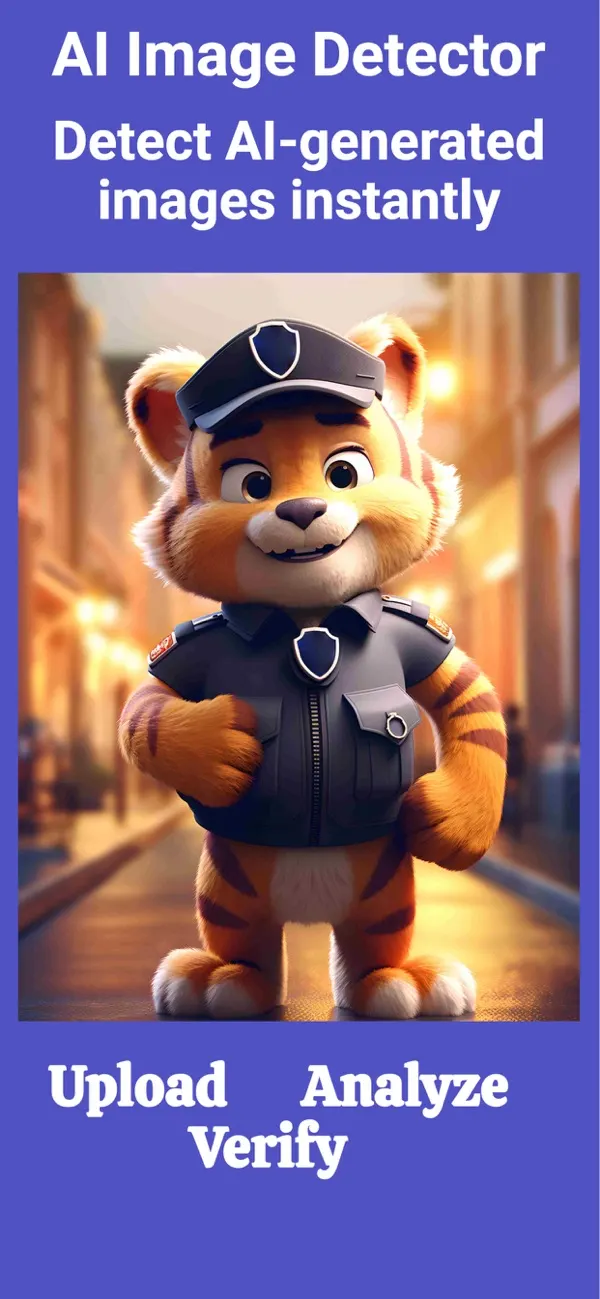
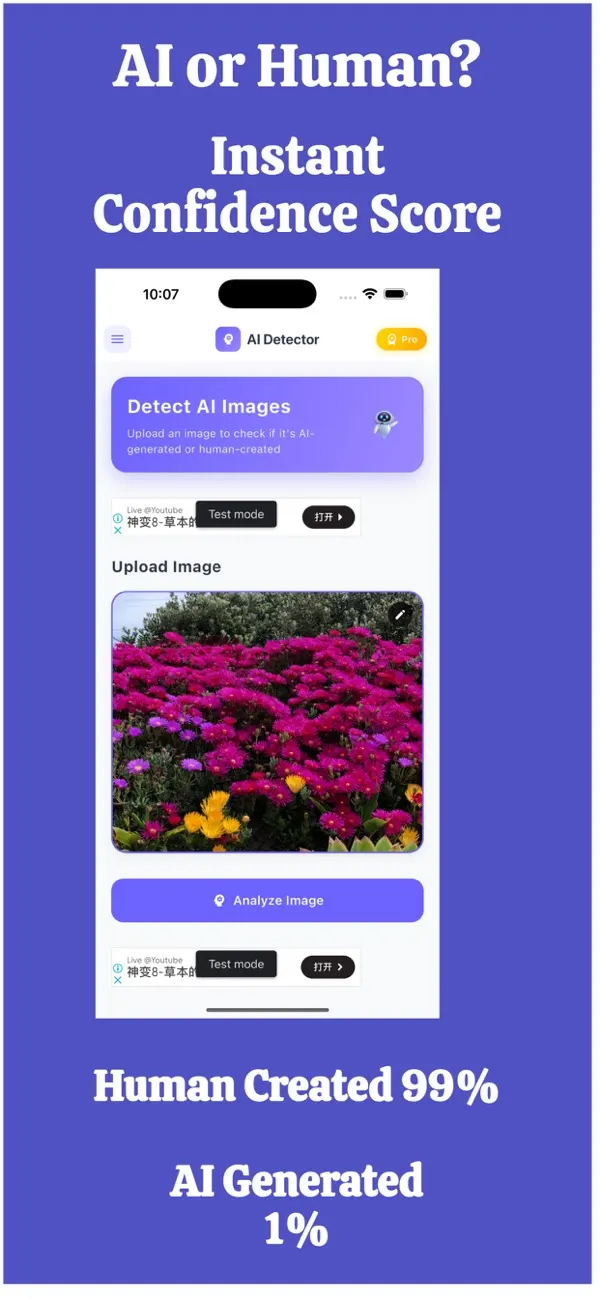
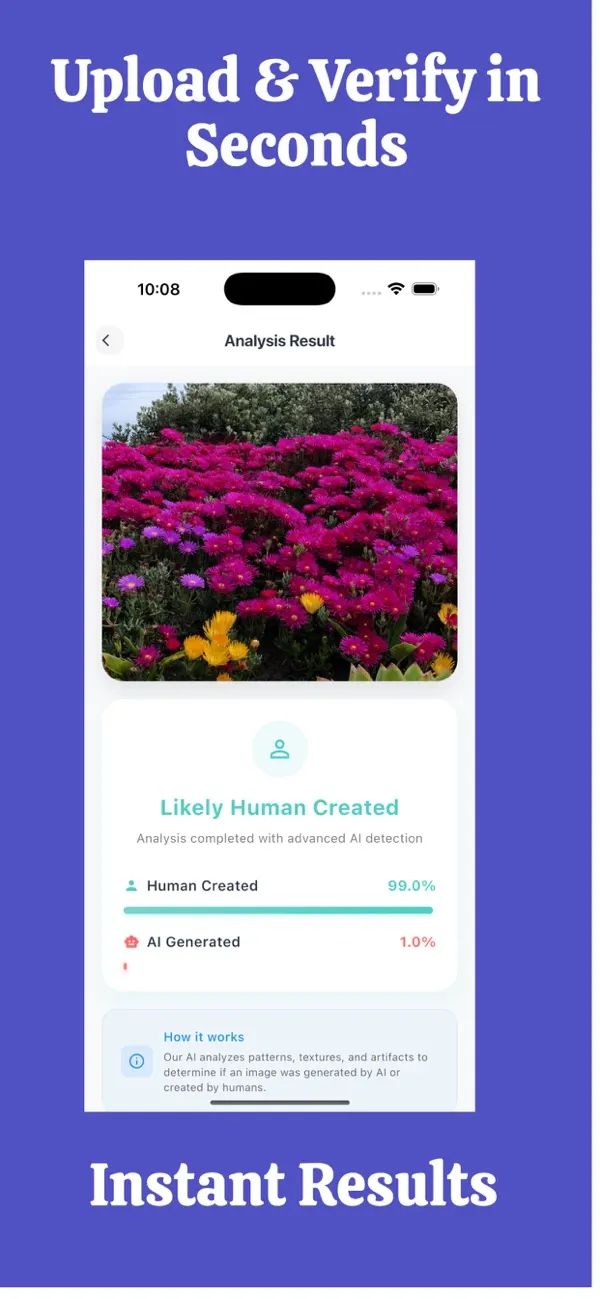
Screens are examples. Results are estimates and can be wrong.
Short answer: FakeSpot does not store the photos you check. That is the one privacy claim we make on this page, and we encourage you to confirm what any app collects by reading its App Store privacy label.
Does FakeSpot store my photos?
No. Photos are not stored. FakeSpot does not store the photos you check.
Why does photo privacy matter for an AI image checker?
People check photos that can be sensitive: a stranger's profile picture, a document, a family picture or a screenshot of a private chat. If a checker kept every upload, that would create a pile of personal images. Because the photo you check is not stored, there is no saved library of your pictures to worry about.
How do I check what any app collects?
Apple requires developers to publish a privacy label on each App Store page. It is a quick way to see data practices before you install.
- Open the app's page on the App Store.
- Scroll to the section called App Privacy.
- Read which data types are listed, and whether they are linked to you or used for tracking.
- Open See Details for the full breakdown.
We suggest doing this for FakeSpot too. The label on the App Store page is the official summary and the best place to check the current details.
What should I look for in any photo-checking app?
- A clear statement on whether uploaded photos are stored.
- A privacy label that matches what the developer says.
- No unnecessary permissions. An app that checks photos you choose does not need broad access to everything.
- A named developer with a way to contact them.
What about photos of other people?
Checking a photo someone sent you, such as a dating profile picture or a seller's listing image, is a common and reasonable use. Still, be considerate: do not share other people's photos publicly just because you checked them, and use the result to protect yourself, not to harass anyone. A score is an estimate and can be wrong, so avoid accusing people based on it.
Is the web version different?
The web version at fakespot.web.app is for text checks. For photos, use the iPhone app, and refer to the App Store privacy label for its current details.
What does the exportable report contain?
The report is created by you, on your request, to keep or share. It summarises the check and the confidence score so you can show your result to someone else. You decide whether to export it and who gets it. See the confidence score and report.
Where can I learn more about the app?
Read the FakeSpot overview and our guide to AI image detector apps for iPhone, which includes the privacy questions worth asking of any app.
What are good privacy habits when checking photos?
- Check the original image rather than a screenshot that includes other private content, such as chat names.
- Crop out personal details you do not need before sharing a photo anywhere.
- Keep your own device locked and updated, since your photo library lives there.
- Export a report only when you need one, and send it only to the people who need it.
- Re-read an app's privacy label after major updates, because practices can change.
These habits matter as much as any single app's policy.
Frequently asked questions
Does FakeSpot store the photos I check?
No. Photos are not stored.
Where can I see what data the app collects?
On the FakeSpot page in the App Store, in the App Privacy section. It is the official summary of data practices.
Is the App Store privacy label the best source?
Yes. It is the official summary of the data an app collects, and it is updated by the developer when practices change.
Can I share a report with someone else?
Yes. You choose whether to export a report and who receives it.
Is it okay to check a photo of another person?
Checking a photo sent to you, such as for safety or scam prevention, is a common use. Do not publicly accuse anyone based on a score, because results are estimates and can be wrong.
Related pages
About the author
Praful Deshmukh is the founder of AppVeda Software, which builds and publishes FakeSpot and other iPhone apps. His apps on the App Store
 FakeSpotSpot AI-generated & fake photos
 ImagineTurn text into stunning AI art
 AI Skin ScannerScan your skin from a selfie
 India AQILive air quality for Indian cities
 AI Video DetectorIs that clip real or AI?