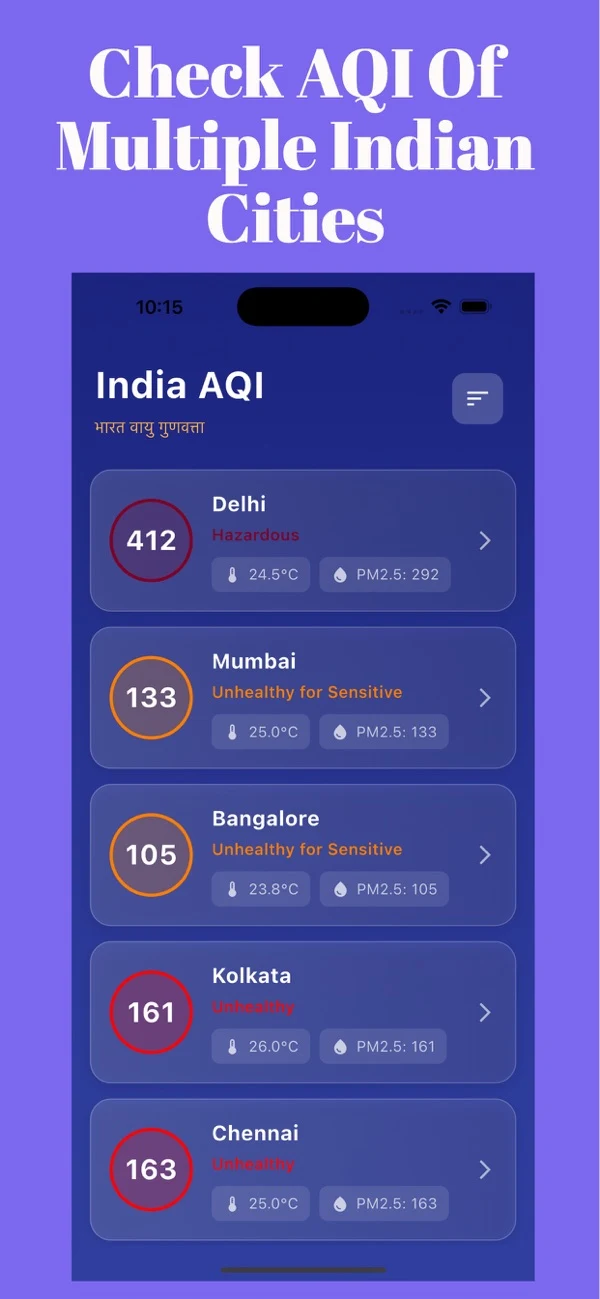
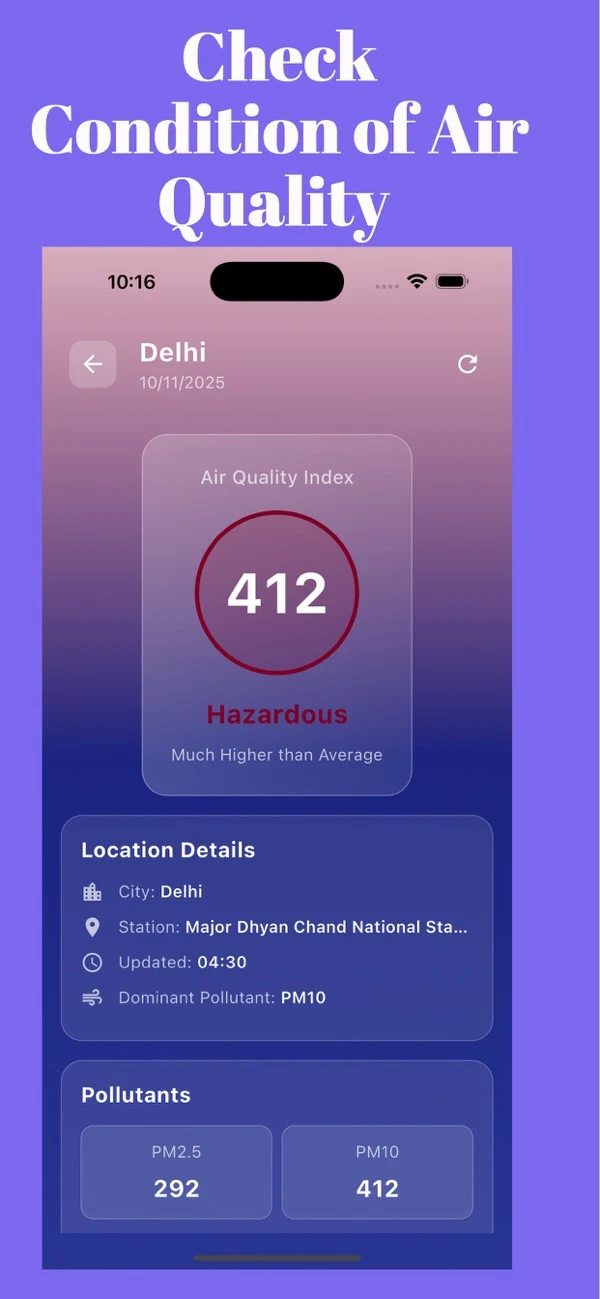
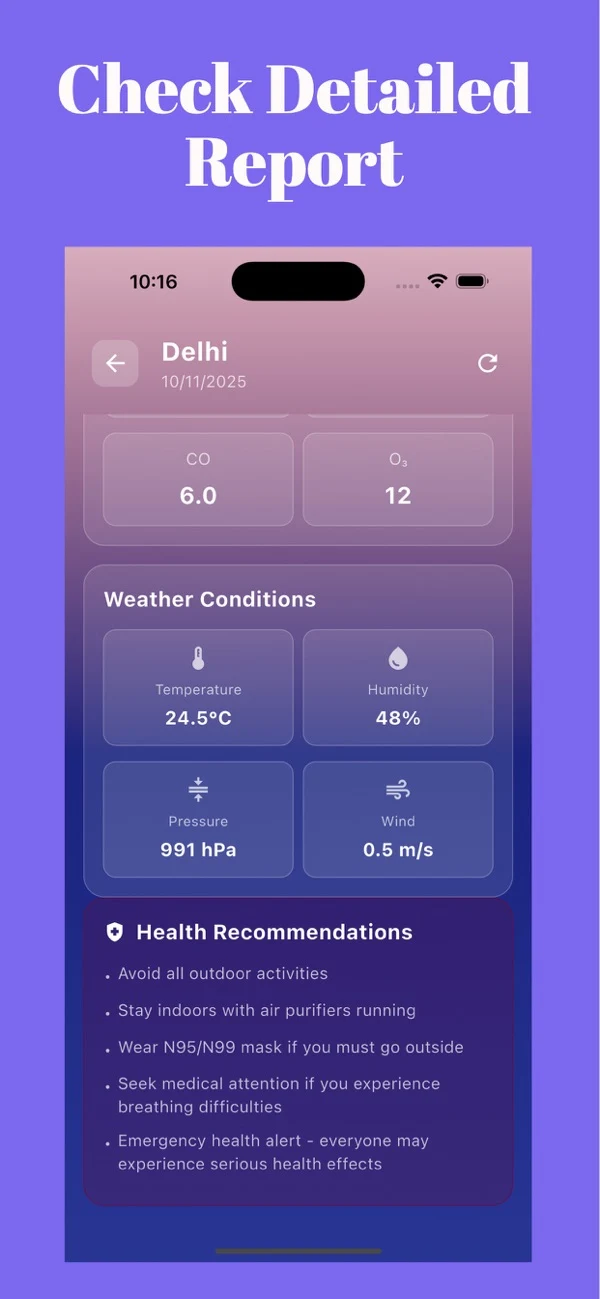
Screens are examples.
Short answer: PM2.5 and PM10 are tiny particles floating in the air. PM2.5 means particles 2.5 micrometres or smaller across; PM10 means 10 micrometres or smaller. The smaller PM2.5 particles go deeper into the body, which is why they get the most attention.
What does PM mean?
PM stands for particulate matter: a mix of solid and liquid particles in the air. The number is the particle size limit in micrometres. WHO describes PM2.5 as fine particulate matter that can penetrate the lungs and enter the bloodstream (WHO fact sheet on ambient air quality).
What is the difference between PM2.5 and PM10?
| PM2.5 | PM10 | |
|---|---|---|
| Size | 2.5 micrometres or less | 10 micrometres or less |
| Includes | Only the finer particles | Both fine and coarser particles (PM2.5 is part of PM10) |
| Typical sources | Burning (vehicles, fuel, crop and waste fires), power and industry | All of those plus road and construction dust |
| Why it matters | Can reach deep into the lungs | Irritates the nose, throat and airways |
Source types are general; what dominates in your city changes by place and season.
Which is more dangerous, PM2.5 or PM10?
Health agencies pay particular attention to PM2.5 because of its size. WHO says there is strong evidence of negative health impacts from this pollutant and estimated that ambient air pollution caused 4.2 million premature deaths worldwide in 2019, mainly from fine particulate matter. That does not make PM10 harmless. A high PM10 reading on a dusty day still means irritation, especially for children, older adults and people with asthma or heart disease.
Why are PM2.5 values so high in Indian winters?
Cold, still air near the ground can trap smoke and dust, so readings often climb in winter, especially across north India. Read our overview of Delhi NCR air quality for the pattern in that region.
How do I see PM2.5 and PM10 in the India AQI app?
Open your city from the list. The detail screen shows PM2.5 and PM10 along with CO and O3, the dominant pollutant, the monitoring station name and the last-updated time. The city list also shows a PM2.5 value next to each city's AQI number. Step-by-step instructions are in how to use the India AQI app.
How does this relate to AQI levels?
The AQI is one number built from several pollutants, and the dominant pollutant is the one pushing it up. If PM2.5 is dominant, the main worry is fine particles. To translate the number into a category, see AQI levels in India.
Common mistakes
- Thinking PM10 and PM2.5 are separate and unrelated: PM2.5 is a part of PM10.
- Comparing a PM2.5 value with an AQI number as if they were the same unit. PM2.5 is a concentration; AQI is an index.
- Ignoring PM10 on dusty, windy days.
General information only, not medical advice. If you or your family have breathing or heart problems, ask your doctor what to do on polluted days.
A simple way to remember it
Think of PM10 as the big picture of everything floating in the air, from road dust to smoke, and PM2.5 as the finest part of that mix. When both are high together, the air is heavily loaded. When PM10 is high but PM2.5 is lower, dust is often the main story. Seeing both numbers, and the dominant pollutant on the city screen, gives you a better picture than one AQI number alone. If you are comparing days, compare the same station at the same time of day, because particles rise and fall with traffic, temperature and wind. Use the numbers to plan, not to panic: the useful action is the one in the health recommendations.
Frequently asked questions
What is PM2.5 vs PM10 in simple words?
Both are tiny particles in the air. PM2.5 are 2.5 micrometres or smaller, PM10 are 10 micrometres or smaller. PM2.5 are finer and can go deeper into the lungs.
Is PM2.5 part of PM10?
Yes. PM10 includes all particles up to 10 micrometres, which includes the PM2.5 particles.
Which one should I watch first?
Many health agencies focus on PM2.5, but check both. Dusty days can show high PM10.
Does a mask help with PM2.5?
The app's health recommendations suggest an N95/N99 mask if you must go outside on very polluted days. Ask your doctor for advice about your own situation.
Where can I see PM2.5 and PM10 for my city?
In the India AQI app, tap your city. The detail screen lists PM2.5 and PM10.
Related pages
About the author
Praful Deshmukh is the founder of AppVeda Software, which builds and publishes India AQI and other iPhone apps. His apps on the App Store
 FakeSpotSpot AI-generated & fake photos
 ImagineTurn text into stunning AI art
 AI Skin ScannerScan your skin from a selfie
 India AQILive air quality for Indian cities
 AI Video DetectorIs that clip real or AI?