Quick answer: An AI agent is software that uses a large language model to understand a goal and then take actions in your systems, such as looking up an order, booking a slot or creating a ticket, instead of only replying with text. A chatbot answers; an agent does.
📲 Try our free AI apps: built by the team writing this guide
 AI Skin ScannerScan your skin from a selfie
 India AQILive air quality for Indian cities
 AI Video DetectorIs that clip real or AI?
"AI agent" is one of the most used and least explained terms of 2026. Vendors use it for everything from a simple FAQ bot to fully autonomous software. This guide cuts through it so you can decide whether your business needs one.
Chatbot vs AI agent vs automation
| What it does | Example | |
|---|---|---|
| Workflow automation | Fixed steps, no AI judgement | "When an invoice is paid, send a WhatsApp receipt" |
| AI chatbot | Understands questions, answers from your content | "What are your clinic timings?" |
| AI agent | Understands a goal, decides steps, uses tools | "Reschedule my appointment to Friday" → checks slots, updates booking, confirms |
If you want the chatbot side in more detail, read AI chatbot vs rule-based chatbot.
How an AI agent works (simple version)
- Goal: a customer or employee asks for something.
- Plan: the language model (OpenAI, Claude or Gemini) works out which steps are needed.
- Tools: it calls the actions you allowed, like "search orders", "create booking" or "send WhatsApp message".
- Check: risky actions (refunds, payments, cancellations) wait for a human to approve.
- Report: it confirms what it did and logs every step.
Useful AI agent use cases for SMEs
- Customer service: order status, rescheduling, simple returns, with hand-off to a person.
- Sales: qualify a lead, check availability and book a call into your calendar.
- Operations: read an invoice, match it to a purchase order and flag differences.
- Internal help desk: answer staff questions from your SOPs and raise IT or HR tickets.
- Reporting: "Which trucks made a loss last month?" answered from your own data, as in a transport ERP.
The risks, and how to control them
- Wrong actions: give the agent only the tools it needs, with limits, and require approval for anything involving money.
- Made-up answers: ground it in your own documents and data, and make it say "I don't know".
- Data privacy: keep keys on your servers, send only necessary data, and follow India's DPDP Act or the UAE's PDPL.
- Cost surprises: track AI usage per feature and use smaller models for simple steps.
What it costs
An agent is usually a chatbot plus integrations. Industry estimates for the UAE put an AI chatbot at $8,000–20,000 to build plus $200–2,000 per month in API usage, and predictive or analytics AI at $25,000–80,000 (source: Decipher Zone, 2026). Each system the agent connects to (CRM, booking, accounting) adds integration work.
Example: a lead qualification agent
Here is how a simple, safe agent works for a services business:
- A visitor writes on WhatsApp or the website: "I need an app for my clinic".
- The agent asks three questions: what the app should do, timeline, budget range.
- It checks your calendar (a tool you allowed) and offers two free slots.
- The visitor picks one; the agent creates the meeting and saves the lead in your CRM or Google Sheet.
- Your sales person gets a summary before the call.
Notice what the agent is not allowed to do: it can't give prices, sign anything or change existing bookings. Narrow permissions are what make agents safe.
Is your business ready for an AI agent?
- Is the task repeated many times a week?
- Are the rules clear enough to write on one page?
- Is the data the agent needs available in a system (not only in someone's head)?
- Is there a person who will review results for the first month?
If you answered yes to all four, an agent is likely to pay off. If not, start with simple workflow automation first.
How to start small
- Pick one repetitive task with clear rules and a clear owner.
- Start as a "suggest" agent: it prepares the action, a person clicks approve.
- Measure time saved and errors for a month.
- Only then let it act on its own for low-risk steps.
Where we use AI ourselves
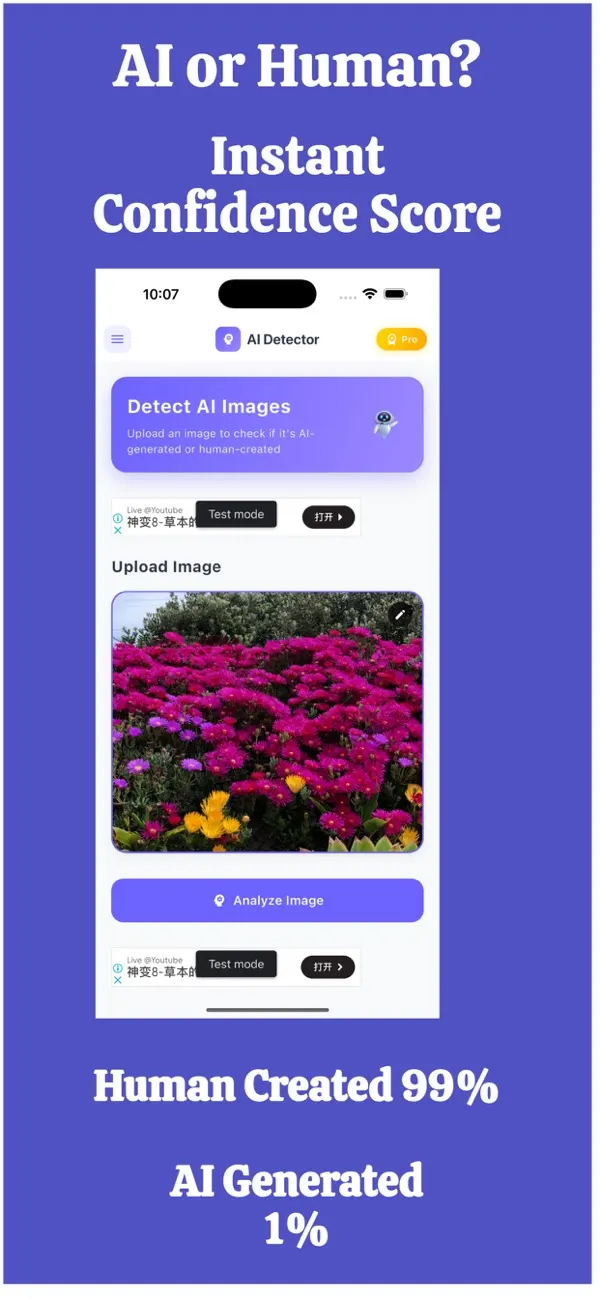
We build AI into our own products before we sell it. FakeSpot uses AI to judge whether a photo is AI-generated, and Imagine turns text prompts into images. The same lessons about prompts, safety and API costs go into the agents we build for businesses. See our AI business automation and UAE AI automation pages.

FakeSpot: AI Image Detector
Free on the App StoreUpload or snap any photo and FakeSpot tells you in seconds whether it was made by AI tools like Midjourney, DALL-E or Stable Diffusion. Free on iPhone.
Download on theApp Store App details →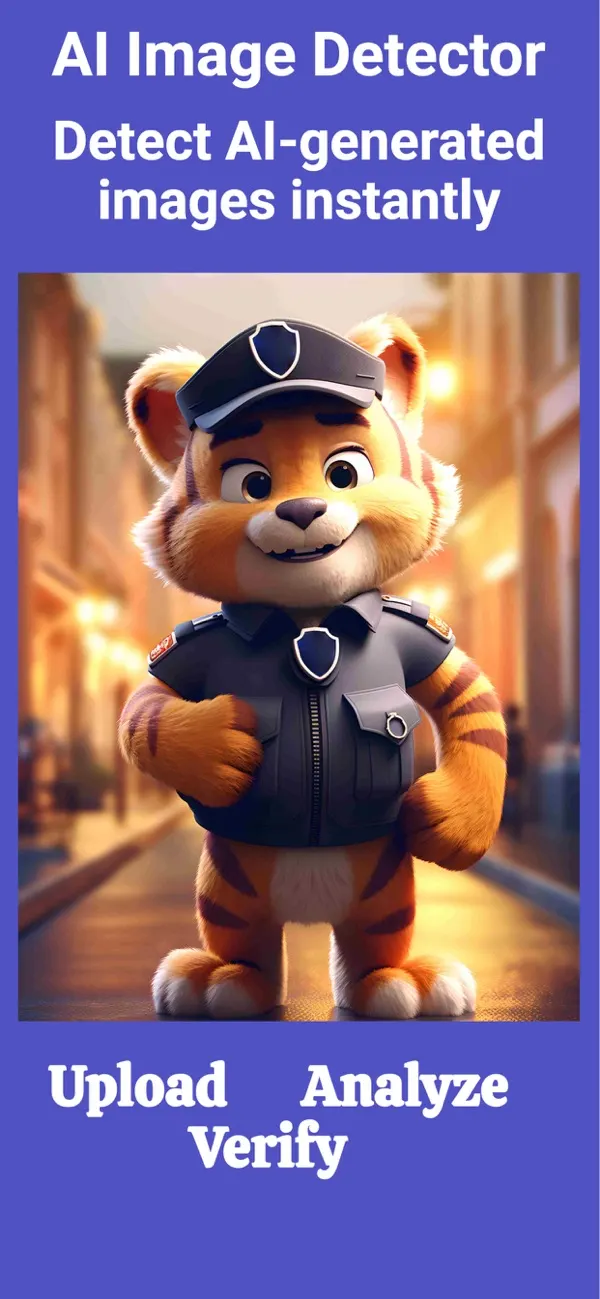
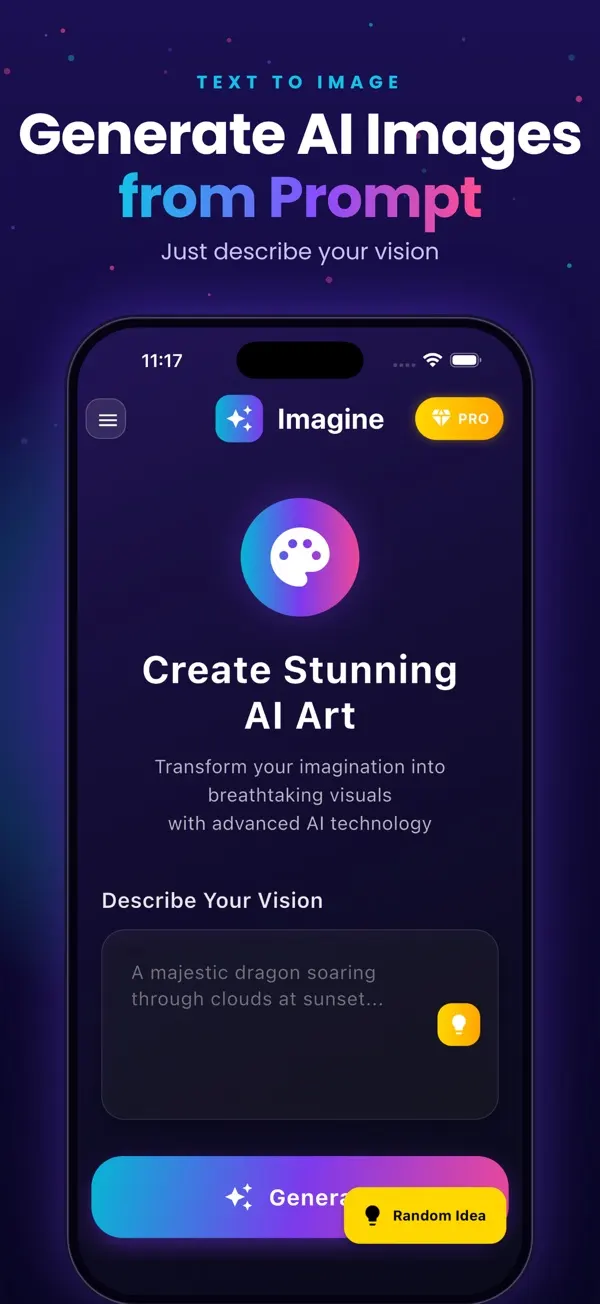
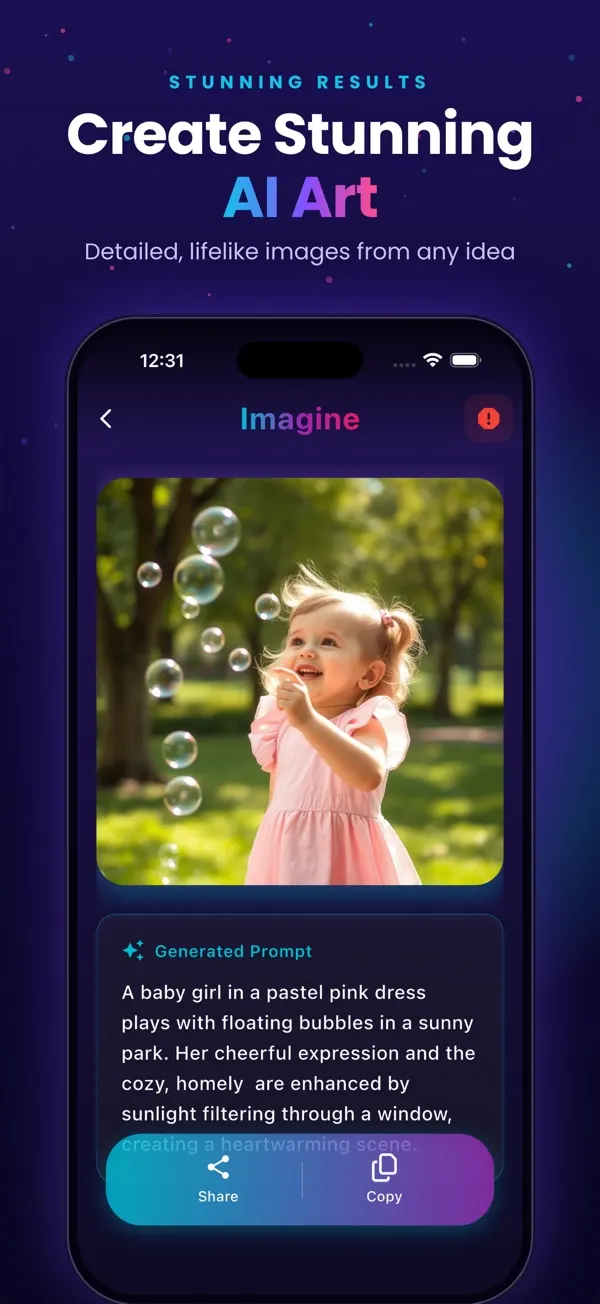
Imagine: AI Image Generator
Free on the App StoreType an idea and Imagine turns it into high-quality AI art in seconds: posters, social posts, product ideas and more. Free on iPhone.
Download on theApp Store App details →
Frequently asked questions
What is the difference between an AI agent and a chatbot?
A chatbot answers questions. An AI agent can also take actions in your systems, such as booking, updating records or creating tickets, using tools you allow.
Are AI agents safe for small businesses?
Yes, if they are limited to specific tools, require human approval for risky actions, use your own approved data and log every step.
Which AI model is best for an AI agent?
OpenAI, Anthropic Claude and Google Gemini all work well. The right choice depends on the task, cost, speed and data requirements, so test on your real cases.
How much does an AI agent cost?
Industry estimates for the UAE start around $8,000–20,000 for a chatbot-based agent plus monthly API costs, with extra cost for each system integration.
Related reading
Planning something similar? See our AI business automation service, or tell us about your project for a free 30-minute call.